
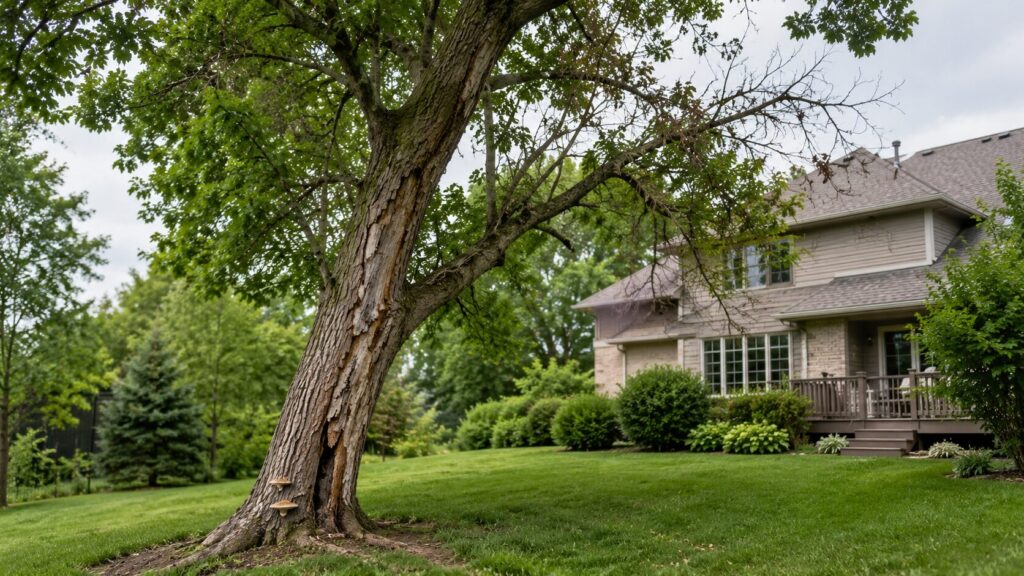
Trees are one of the most valuable features of any landscape. They provide shade, improve curb appeal, support local wildlife, and can even increase property value. However, there are times when a tree becomes a liability rather than an asset. Whether due to disease, storm damage, structural instability, or old age, some trees pose risks to people, homes, and surrounding landscapes.
Knowing when a tree needs to be removed can help protect your property and prevent costly damage. While many tree issues can be addressed through pruning or treatment, certain warning signs indicate that removal may be the safest and most practical solution.
Why Tree Health Matters
Healthy trees contribute beauty and environmental benefits to your outdoor space. When a tree begins to decline, however, it can quickly become a safety concern.
Dead or dying trees are more susceptible to falling limbs, structural failure, and disease spread. In severe cases, a weakened tree may collapse entirely during a storm or period of high winds, potentially damaging homes, vehicles, fences, and nearby landscaping.
Regular tree inspections can help identify problems before they become dangerous.
Signs a Tree May Need to Be Removed
1. The Tree Is Dead or Dying
One of the clearest indicators that a tree should be removed is extensive decline or death.
Common signs include:
- Large sections without leaves during the growing season
- Brittle branches that break easily
- Peeling or missing bark
- Significant deadwood throughout the canopy
- Fungal growth near the base of the trunk
A tree that is completely dead has little structural integrity and poses a significant safety risk.
2. The Trunk Is Severely Damaged
The trunk provides the primary structural support for the entire tree. If the trunk is compromised, the tree may become unstable.
Warning signs include:
- Deep vertical cracks
- Large cavities or hollow sections
- Splitting trunks
- Extensive decay
- Missing bark around a large portion of the tree
While some minor damage can be managed, severe trunk deterioration often indicates that removal is necessary.
3. The Tree Is Leaning More Than Before
Many trees naturally grow with a slight lean, but a sudden or increasing lean can signal serious root or structural problems.
A tree that begins leaning after a storm or appears to be shifting over time should be evaluated promptly. Leaning trees may be at risk of falling, particularly if the roots have been weakened or damaged.
4. There Is Significant Root Damage
Tree roots anchor the tree and provide essential nutrients and water. Damage to a substantial portion of the root system can destabilize the tree.
Potential causes of root damage include:
- Construction projects
- Soil compaction
- Excavation work
- Disease or decay
- Erosion
Because root problems often occur underground, they can be difficult to identify without a professional assessment.
5. The Tree Has Extensive Disease or Pest Infestation
Certain diseases and insect infestations can weaken a tree beyond recovery.
Signs may include:
- Discolored or wilting leaves
- Premature leaf drop
- Visible fungal growth
- Tunnels or holes in the bark
- Large populations of insects
In some cases, removing an infected tree may help prevent the disease or pests from spreading to nearby trees and plants.
6. Large Branches Are Frequently Falling
Falling branches are often a sign of underlying health or structural issues. If large limbs regularly break off during normal weather conditions, the tree may be experiencing internal decay or instability.
This is particularly concerning if the tree is located near:
- Homes
- Driveways
- Sidewalks
- Play areas
- Outdoor living spaces
Prompt evaluation can help determine whether pruning or removal is the safest course of action.
7. The Tree Is Too Close to Structures
As trees mature, their roots and branches can interfere with buildings, hardscapes, utility lines, and drainage systems.
Potential problems include:
- Roof damage
- Foundation issues
- Blocked gutters
- Damaged retaining walls
- Interference with power lines
When a tree’s location creates ongoing risks or maintenance challenges, removal may be the most practical solution.
Can a Tree Be Saved Instead?
Not every unhealthy tree requires removal. In many cases, professional pruning, disease treatment, cabling, or improved growing conditions can help restore tree health and stability.
A qualified tree care professional can assess the tree’s condition and recommend the most appropriate solution based on its health, location, and long-term viability.
The Importance of Professional Evaluation
Determining whether a tree should be removed isn’t always straightforward. Some trees may appear healthy while hiding serious internal decay, while others may look damaged but still be recoverable.
Professional evaluations consider factors such as:
- Structural integrity
- Root health
- Disease presence
- Safety risks
- Proximity to structures
- Overall landscape goals
A thorough assessment helps homeowners make informed decisions while minimizing unnecessary removals.
Tree Removal and Landscape Planning
Removing a tree doesn’t have to leave a void in your landscape. In many cases, tree removal creates opportunities to improve the functionality, safety, and appearance of your outdoor space.
After removal, homeowners may choose to:
- Plant a healthier replacement tree
- Expand garden beds
- Improve lawn areas
- Add hardscaping features
- Enhance outdoor living spaces
A well-planned landscape can continue to thrive while reducing future maintenance concerns.
Trust the Experts at Well Rooted Gardens
At Well Rooted Gardens, we understand the important role trees play in creating beautiful, healthy landscapes. Our team helps homeowners evaluate tree health, identify potential hazards, and make informed decisions that support both safety and long-term landscape success.
Whether you’re concerned about a damaged tree, noticing signs of decline, or planning a larger landscape renovation, we’re here to help.
Contact Well Rooted Gardens today to schedule a professional assessment and ensure your landscape remains safe, healthy, and beautiful for years to come.