
Expert Tips from Well Rooted Gardens – Omaha’s Trusted Landscape Professionals
At Well Rooted Gardens, we know that expert seasonal care makes all the difference in a thriving landscape. As winter settles in across Nebraska, it’s the perfect time to focus on pruning your fruit trees and deciduous trees. When done correctly during the dormant season, pruning offers a host of benefits that support tree health, safety, and future growth.
Why Winter Is the Best Time to Prune
When trees enter dormancy in late fall through early spring, their biological activity slows. This makes winter an ideal time for pruning both fruit-bearing and deciduous species.
Clear Visibility and Accurate Cuts
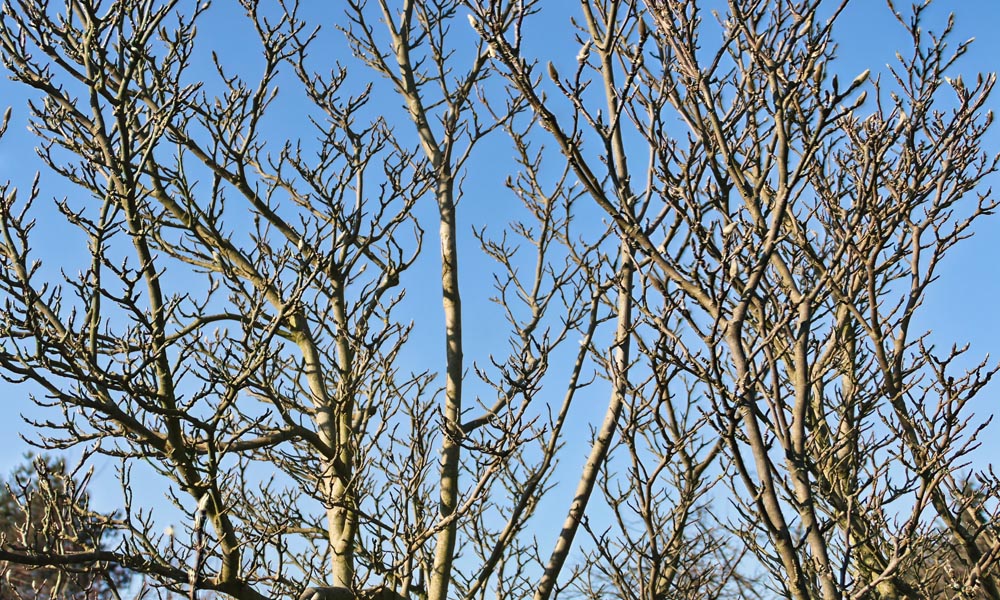
Without leaves obscuring branches, it’s easier to see the tree’s structure and identify dead, damaged, or crossing branches that need attention. This visibility enables precise pruning cuts that set your trees up for strong spring growth.
Healthier Healing and Reduced Stress
Trees that are dormant have stored energy reserves, allowing pruning wounds to heal more efficiently once spring arrives. Pruning during active growth can stress trees or cause them to divert energy at the wrong time.
Lower Disease and Pest Risks
Many pests and disease agents are inactive in cold weather. Winter pruning reduces the risk of infections that can occur when cuts are made in warmer months, making it especially beneficial for fruit trees and hardwood species.
Encourages Better Spring Growth
For fruit trees like apples and pears, late winter pruning can stimulate stronger growth, improve branch structure, and encourage higher-quality fruit production. It also helps balance the tree’s energy allocation heading into the growing season.
Benefits for Both Fruit Trees and Deciduous Trees
Here’s a closer look at how winter pruning supports different types of trees in your landscape:
Fruit Trees
- Improved branching structure: Encourages well-spaced limbs that facilitate fruit production and harvest ease.
- Enhanced productivity: Redirects energy to productive wood that supports flowers and fruit later in the season.
- Healthier growth: Removing dead or diseased wood before spring reduces the chance of spread.
Deciduous Trees
- Stronger structural form: Winter pruning helps shape the tree’s framework and reduces future branch failure.
- Better sunlight and airflow: Opening up the canopy allows light and air to circulate, improving overall tree health.
- Safety and storm preparation: Removing weakened limbs before winter storms protects your home, driveway, and landscape.
Final Thoughts
Winter pruning isn’t just a seasonal chore—it’s a strategic step in nurturing the health and productivity of your fruit trees and deciduous trees. From enhanced spring growth to reduced disease risk and improved safety, the benefits are clear. If you’re ready to give your trees expert seasonal care, the team at Well Rooted Gardens is here to help.
Contact Well Rooted Gardens today to schedule your winter tree pruning and ensure a vibrant, healthy landscape come spring.